

Every collector or seller eventually discovers a gem that has been tucked away a little too long. It might be a rusty tool set, a smoke-stained painting, or a vintage piece of furniture coated in years of dust. Before you give up on those forgotten finds, a little restoration can help your antiques shine at auction and attract more competitive bids.
Here are practical ways to safely clean and restore antique or unused pieces before they go under the hammer.
1. Remove Surface Dust and Dirt Gently
Start with the simplest step: a gentle cleaning. Use soft microfiber cloths, natural-bristle brushes, or lint-free rags to remove dust. Avoid soaking wooden or metal items in water, since moisture can cause warping or rust. A mixture of mild soap and water on a damp cloth often works for ceramic, glass, or painted surfaces. Always test a small area first.
Pro tip: Use a vacuum with a brush attachment on upholstery or fabrics to lift away debris without damaging fibers.
2. Treat Smoke or Odor Damage
 If your pieces have been in storage or a smoke-filled house, odor removal is key. Activated charcoal packs, baking soda, or odor-absorbing gels can help freshen wood and fabric items. You can also gently wipe hard surfaces with a vinegar-water solution to lift residue.
If the smell lingers, leave items in a dry, ventilated area for several days to fully air out before sealing or polishing.
3. Deal with Rust the Right Way
Rust may look intimidating, but it does not always mean a piece is ruined. For light rust on metal, use a bit of fine steel wool or a rust eraser to carefully buff it away. Follow with mineral oil or a rust inhibitor to protect the surface. Avoid harsh acids or power tools unless you are experienced, because they can strip away both the patina and value.
4. Refresh Wood Finishes
For antique wooden pieces, sometimes less is more. Start by wiping away grime with a damp (not wet) cloth and mild soap. Once dry, apply a quality furniture polish or beeswax-based restorer to bring back the natural sheen. If the surface is heavily scratched or faded, consider light refinishing, but avoid sanding antiques that may have historical or collectible value.
When in doubt, consult a professional restorer before doing major work.
 5. Revive Metals, Glass, and Ceramics
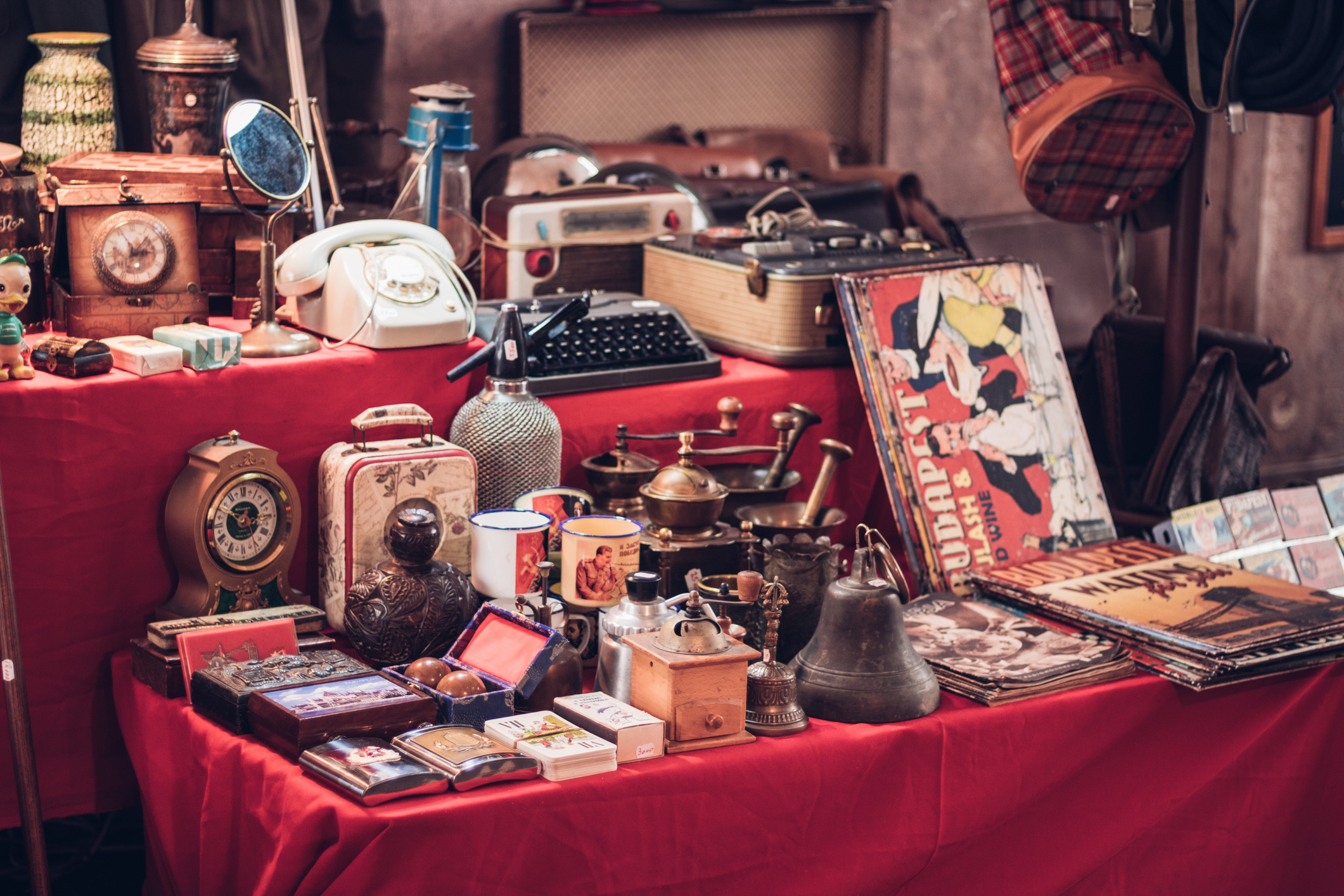
- Brass and Copper: Polish with a mix of lemon juice and baking soda for a safe shine.
- Glass and Crystal: Wash in warm, soapy water and dry immediately to prevent streaking.
- Ceramics: Handle with care; repair chips only with archival-safe adhesives if you are preserving value.
A little sparkle goes a long way once your piece arrives at the auction.
6. Know When to Leave the Patina
One of the most valuable lessons in restoration is restraint. The natural wear, or patina, on antique items often contributes to their authenticity and appeal. Overcleaning can take away character and reduce value. Always research similar items or ask an expert at Lawson & Co. before committing to deep restorations.
Once your item is clean, restored, and photo-ready, bring it to Lawson & Co. Auctions for a professional evaluation. Our team can help determine market value, ideal presentation, and the best auction placement to attract the right buyers. Your attic treasures might be tomorrow’s auction highlights. They just need a little TLC to shine brightly.